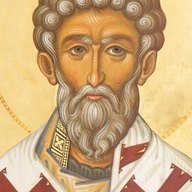
Blessed AugustineExposition on Psalm 12 · on Psalm 12:1
"For Christ is the end of the law to every one that believes." [Romans 10:4] "How long, O Lord, will You forget me unto the end?" that is, put me off as to spiritually understanding Christ, who is the Wisdom of God, and the true end of all the aim of the soul. "How long will You turn away Your face from me?" As God…
Blessed AugustineExposition on Psalm 12 · on Psalm 12:2
"How long shall I place counsel in my soul?". There is no need of counsel but in adversity. Therefore "How long shall I place counsel in my soul?" is as if it were said, How long shall I be in adversity? Or at least it is an answer, so that the meaning is this, So long, O Lord, will You forget me to the end, and so…
Blessed AugustineExposition on Psalm 12 · on Psalm 12:3
"Look on me, and hear me, O Lord my God". "Look on me," refers to what was said, "How long" dost "Thou turn away Your face from me." "Hear," refers to what was said, "How long will You forget me to the end? Lighten my eyes, that I sleep not in death." The eyes of the heart must be understood, that they be not closed…
Blessed AugustineExposition on Psalm 12 · on Psalm 12:4
"Lest at any time mine enemy say, I have prevailed against him". The devil's mockery is to be feared. "They that trouble me will exult, if I be moved;" the devil and his angels; who exulted not over that righteous man, Job, when they troubled him; because he was not moved, that is, did not draw back from the…
Blessed AugustineExposition on Psalm 12 · on Psalm 12:5
"But I have hoped in Your mercy". Because this very thing, that a man be not moved, and that he abide fixed in the Lord, he should not attribute to self: lest when he glories that he has not been moved, he be moved by this very pride.
Blessed AugustineExposition on Psalm 12 · on Psalm 12:6
"My heart shall exult in Your salvation;" in Christ, in the Wisdom of God. "I will sing to the Lord who has given me good things;" spiritual good things, not belonging to man's day. "And I will chant to the name of the Lord most high"; that is, I give thanks with joy, and in most due order employ my body, which is the…
Every note is a real passage, quoted word for word from a published English translation, with its source. Nothing here is summarised or written by us. Some verses have many notes and some have none, because the Fathers wrote more on some passages than others.
Blessed Augustine, Expositions on the Book of Psalms, tr. A. Cleveland Coxe from the Oxford translation, Nicene and Post-Nicene Fathers, series 1, vol. 8 (1888).
Scripture: the Septuagint, in the translation of Sir Lancelot Brenton (1851), with spelling updated by Adam Boyd (2020); the Greek is Brenton's Septuagint text.
All of these translations are in the public domain. The passages were matched to their verses by the Historical Christian Commentaries project, which also hosts the full texts we link to. The Fathers are a treasury of the Church's mind, and they are best read alongside the life of the Church: if a passage raises a question, bring it to your priest.